
Copper Henna: how to achieve natural copper even on grey hair
Copper tones have something special.
They provide light, warmth, and reflections that change with the daylight, creating a more natural and nuanced result. That's why copper henna remains one of the most sought-after shades for those who want to color their hair without compromising its care.
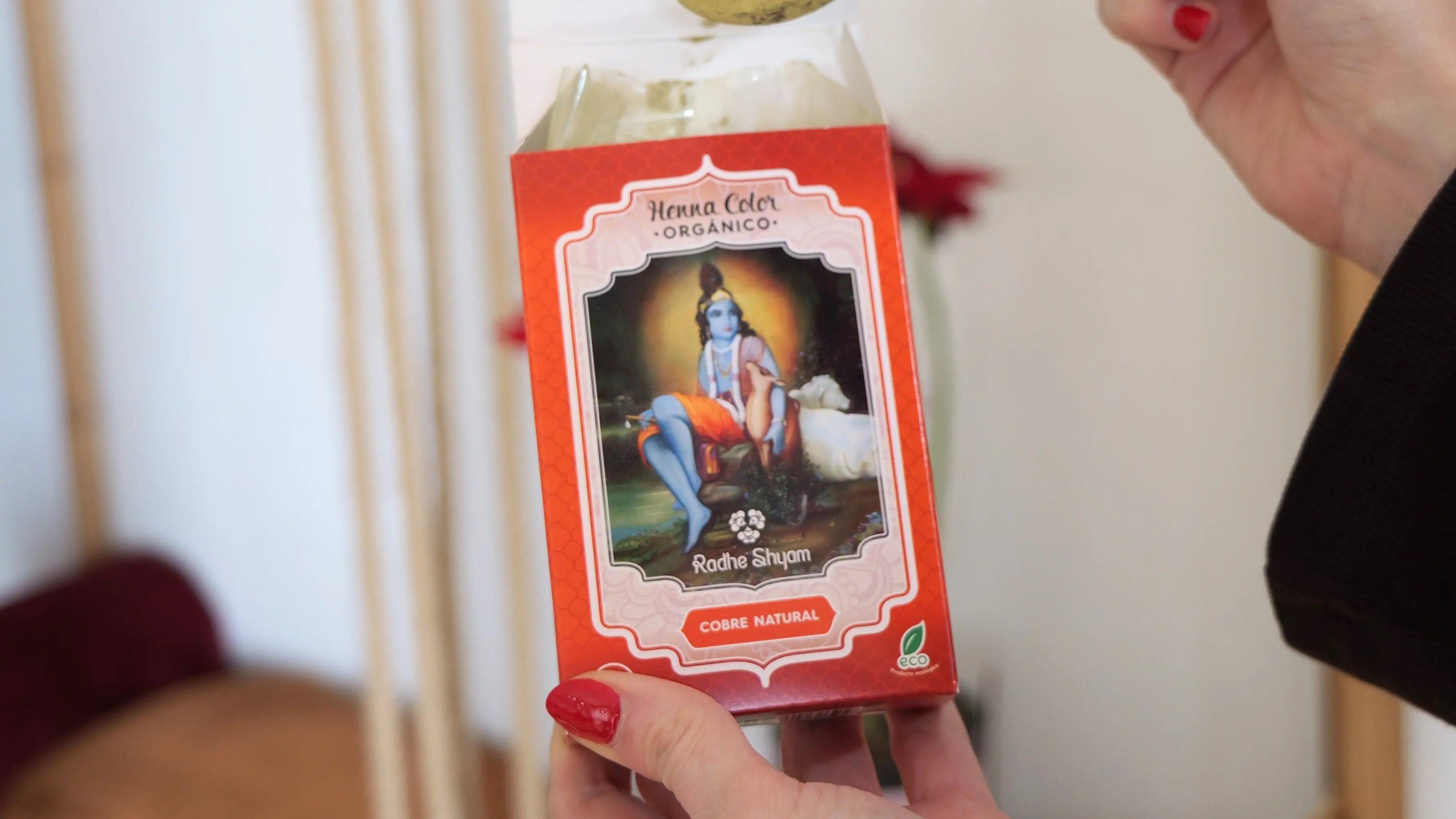
Natural Copper Henna from Radhe Shyam is made from plant-based ingredients and not only provides color but also helps care for the hair, leaving it shinier and with more body.
However, when gray hairs appear, many people have the same question: how to achieve a uniform copper tone on dark hair? The key lies in double pigmentation.
Why gray hair needs pre-preparation
Gray hair behaves differently from the rest of the hair.
As it loses melanin, the hair fiber becomes lighter and, often, more resistant to plant-based color. Therefore, when a copper tone is applied directly to a dark base with gray hair, the roots may appear lighter or with overly intense reflections.
To avoid this, it is recommended to work in two steps. This process helps the pigment adhere better and allows for a more uniform and natural result.
How to do double pigmentation step-by-step
First application: preparing the gray hair
For dark hair, the first step is to apply a warmer and deeper henna to the roots or areas with gray hair.
In this case, it is recommended to use Natural Copper Henna, applied only to the roots or areas with a higher concentration of gray hair.
This first step helps to:
- provide a warm base
- improve color fixation
- prepare the hair fiber for the final tone
The mixture should be left on for a minimum of 2 hours so that the plant pigment can set properly.
It's not a decorative step. It's the foundation that will allow the copper to appear more balanced and natural afterward.
Second application: the definitive copper tone
Once the first pigmentation is done, it's time to apply the henna of your desired shade to all the hair.
By working on a previously prepared base, the result usually appears:
- more uniform
- warmer
- with better gray coverage
- and with more balanced reflections
Furthermore, henna provides shine and a feeling of strengthened hair.
A slower but more natural process
Henna works differently from conventional dyes.
It does not seek to cover in a flat or artificial way but to integrate with the hair's natural tone and work on it, creating reflections and depth.
Therefore, double pigmentation requires more time but also allows for a more progressive and hair-fiber-friendly result.
Many people turn this process into part of their self-care routine: mixing the henna, applying it calmly, and dedicating a few hours to pausing. Because coloring your hair can also be a ritual.
Copper: a shade full of light
The copper tone remains a favorite for a simple reason: it provides warmth without hardening the face.
It can appear more intense or softer depending on the hair's natural base, but it always maintains that luminous effect so characteristic of plant-based henna.
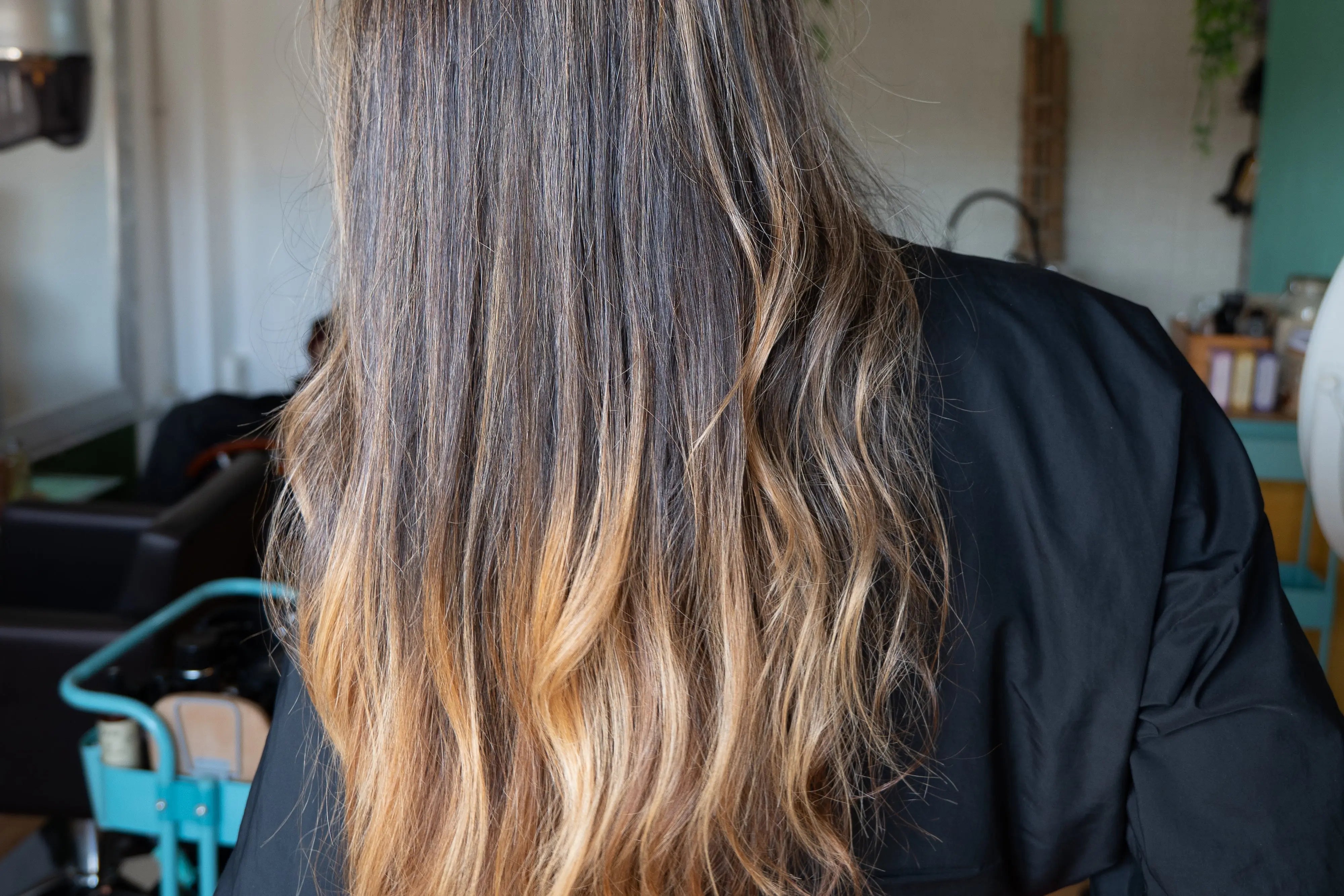
And when gray hair is correctly treated through double pigmentation, the result integrates much better, maintaining a more natural and nuanced finish.


Leave a comment
This site is protected by hCaptcha and the hCaptcha Privacy Policy and Terms of Service apply.