
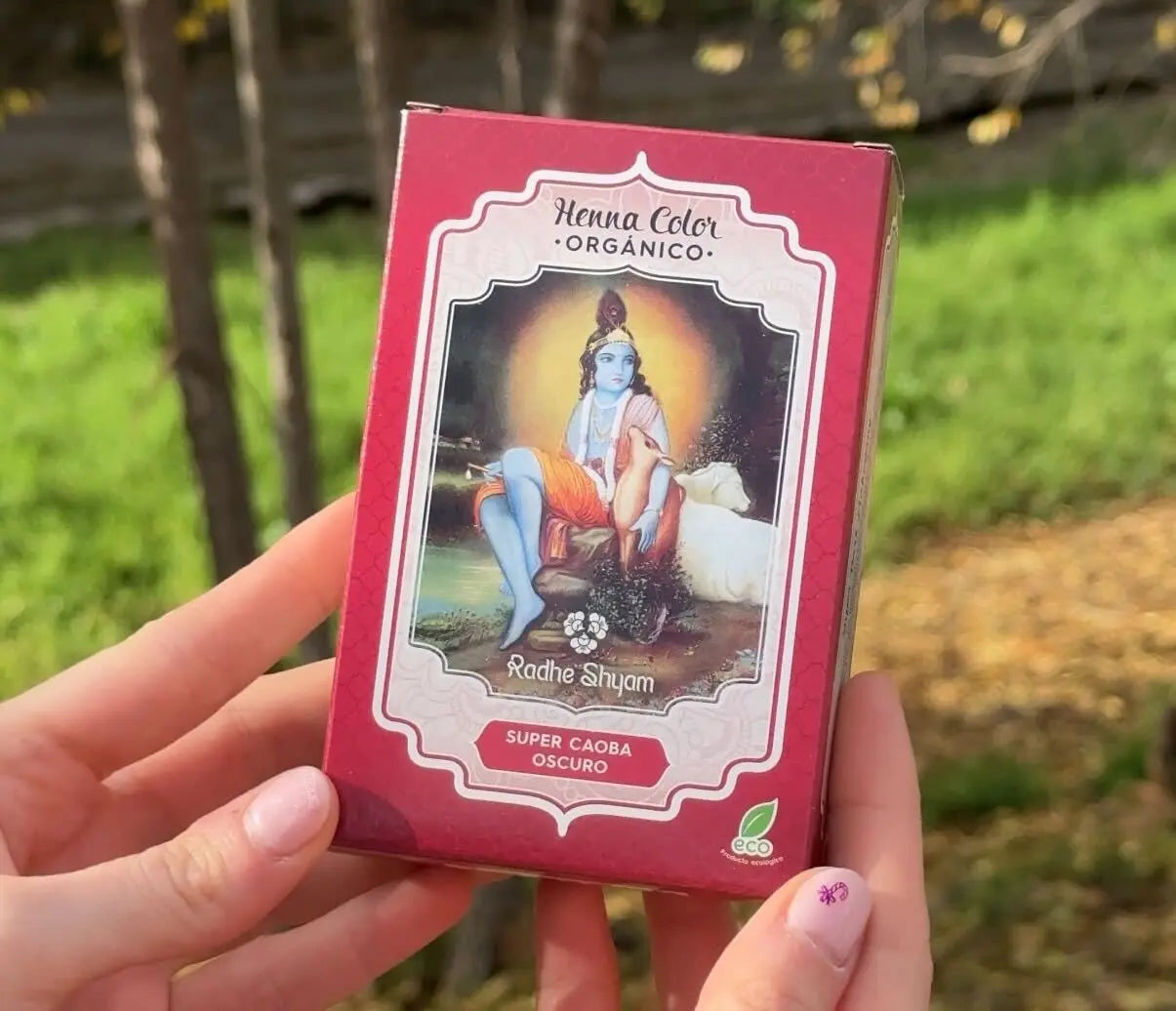
5 mistakes to avoid when using henna
Henna is one of the most complete alternatives to conventional hair dye: it adds color, strengthens hair fibers, improves texture, and increases shine. But like any technique, it works well when you understand how it works and apply it correctly.
Most undesirable results with henna are not due to the product itself, but to avoidable errors during its selection or application. Here are the five most common ones and how to avoid them.
Error 1: Believing that henna works like chemical dye
This is the most frequent error and the one that generates the most frustrated expectations. Henna does not lighten hair or modify its internal structure like conventional dye does. Its action consists of depositing plant pigments on the hair fiber while respecting its natural properties.
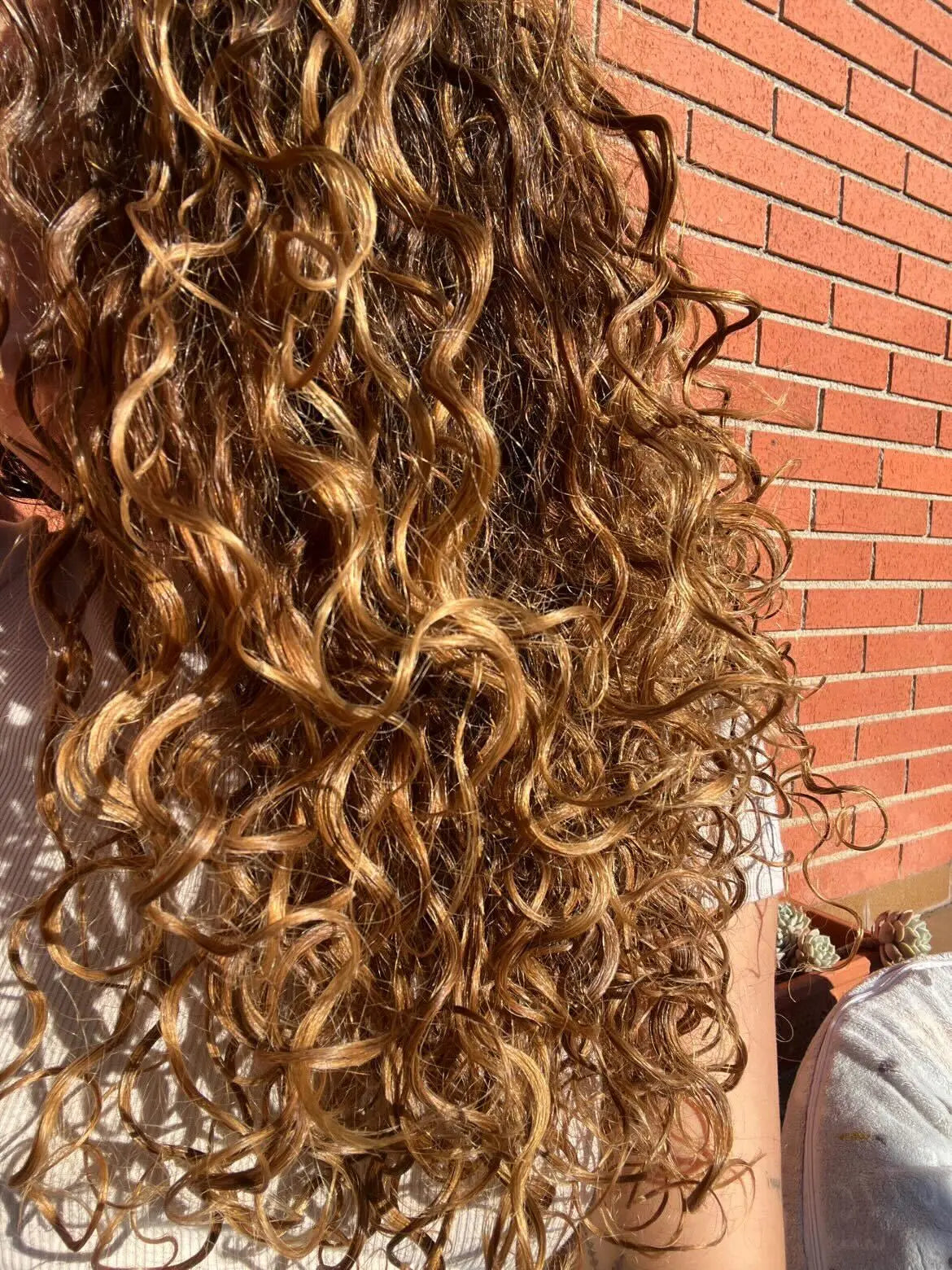
This means that the final result always depends on the base color. Henna does not cover the natural color; it adds to it. Expecting a radical or immediate change is unrealistic. Henna coloring is progressive, and its results are best appreciated over time and with successive applications.
Understanding how it works is the first step to correctly assessing the result and enjoying a natural and harmonious finish.
Error 2: Choosing the shade without considering the base color
Selecting a henna shade solely by its name or visual references, without analyzing the hair's natural color, is another very common mistake. The same henna shade can produce very different results depending on the base it is applied to.
On light hair, reflections and nuances are more visible. On dark hair, the effect is primarily perceived as intensity, shine, or a subtle tint. Choosing without considering the base can lead to unexpected results: a color that is too dark, an unwanted reflection, or insufficient gray coverage.
Before choosing your shade, consult our henna instructions guide, where you will find specific guidance based on your base color and percentage of gray hair.
Error 3: Not performing a strand test
Skipping the strand test is one of the most common errors, especially among people accustomed to using conventional dyes. Henna is a natural product, and its results can be influenced by hair porosity, the presence of gray hair, or previous treatments.
Applying it directly to all hair without a prior test increases the risk of surprises. A test on an inconspicuous strand allows you to check the final shade, evaluate the color intensity, and adjust the exposure time if necessary.
This step is especially important for light, sensitized, or chemically treated hair. Dedicating 30 minutes to this test can prevent unexpected results on the entire head.
Error 4: Not respecting preparation and application times
Henna requires proper preparation for the plant pigments to activate correctly. Not respecting the resting times, mixing ratio, or application time affects both the color result and its fixation.
Removing henna too early results in a color that is too soft or uneven. Prolonging the application excessively does not always improve the result and can dry out the hair. The optimal exposure time is between 1 and 2 hours, depending on the desired shade and the percentage of gray hair.
Consult Radhe Shyam's application instructions to follow the recommended times for your specific case.
Error 5: Using henna without considering the hair's previous history
The condition of the hair and previous treatments directly influence how henna behaves. Hair with chemical dye residue, bleaching, straightening, or intensive treatments may react differently to plant pigments.
Ignoring this history can lead to irregular or unexpected results. In these cases, it is advisable to perform prior tests, allow a transition period, or start with a progressive application before applying to the entire hair.
Considering the hair's actual condition is key for a successful transition to plant-based coloring.
How to start correctly with Radhe Shyam henna
If you want to avoid all these errors from the beginning, the starting point is to choose the right shade and follow the correct instructions.
In our henna powder collection, you will find all available shades with detailed descriptions of which bases they work best on. And in our henna instructions guide, you have the complete step-by-step preparation and application protocol.
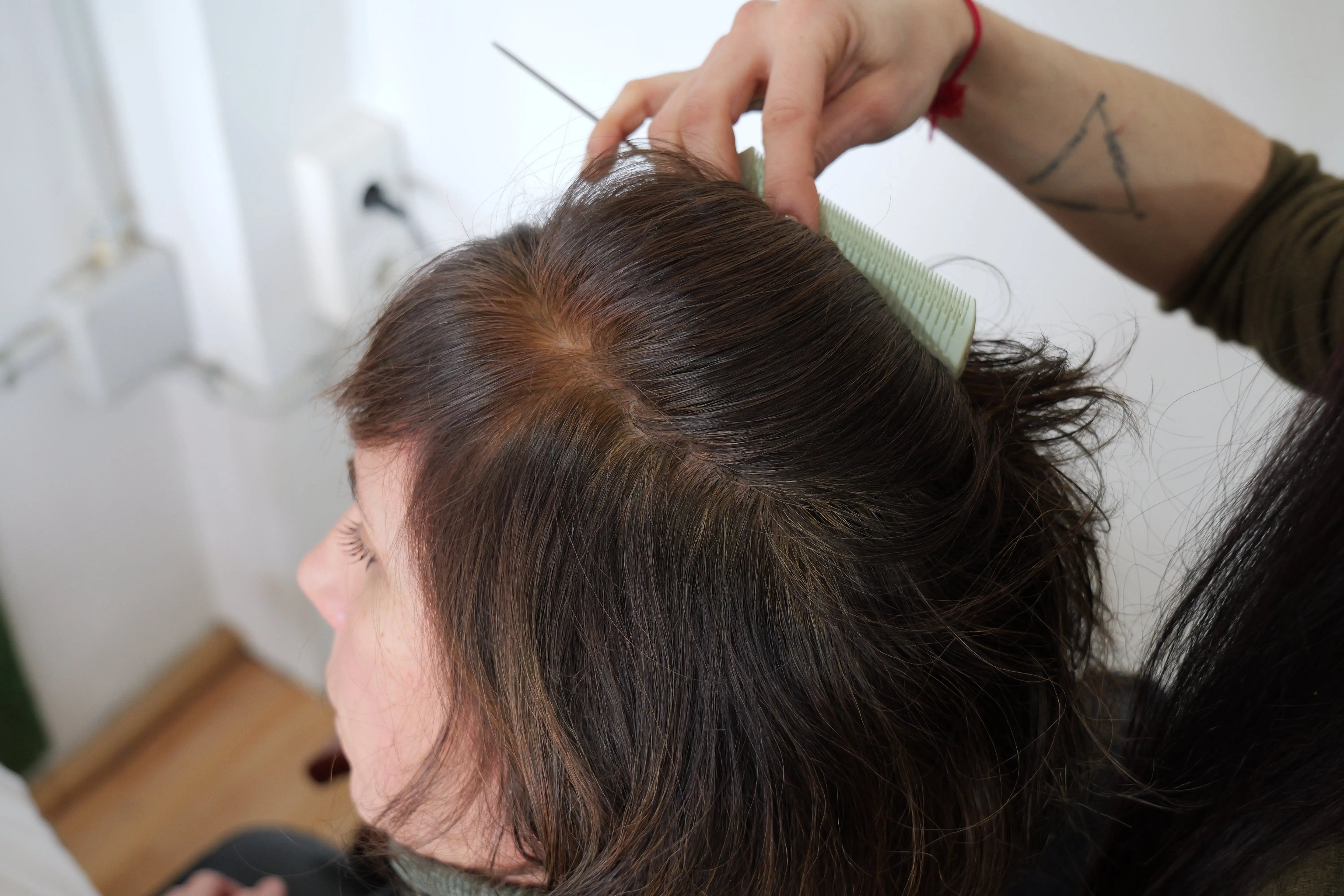
To specifically cover gray hair, our henna gray coverage kits include everything you need in a single product formulated with a higher concentration of plant pigment to ensure complete coverage.
Why Radhe Shyam is the benchmark for natural henna in Spain
Radhe Shyam has been manufacturing and distributing natural cosmetics for over 40 years. We are a second-generation Spanish family business, with direct import from India and our own production in Spain, which allows us to control the quality of raw materials at their source.
Our henna range is organically certified and formulated without ammonia, PPD, or animal derivatives. For over four decades, we have been helping people achieve natural and long-lasting results with henna, and that knowledge is behind every product and every guide we publish.
Frequently asked questions about the correct use of henna
Why didn't my henna cover gray hair well?
The most common reason is not respecting the exposure time or not applying enough paste. For abundant or very resistant gray hair, we recommend the double coloring technique: a first base layer on the gray hair and a second layer of the final shade on all hair. Consult our instruction guide for more details.
Can I use henna if I have chemically dyed hair?
Yes, but it is essential to do a strand test before the first full application. Residual synthetic pigments can affect the final result. On black dyed hair, the risk of an irregular result is higher.
Does henna damage hair?
No. Unlike conventional dye, henna does not open the hair cuticle or destructively penetrate its structure. On the contrary, it coats the hair fiber and protects it. With continuous use, hair gains shine, body, and resistance.
How long should henna be left on?
Between 1 and 2 hours, depending on the desired shade and the percentage of gray hair. For very resistant or pure white gray hair, we recommend closer to 2 hours for the first application. Removing it too early is one of the most frequent errors and the one that most affects the result.
How often can henna be used?
Every 4 to 6 weeks as part of your regular hair care routine. Unlike conventional dye, henna can be reapplied to all hair without problems because each application also acts as a nourishing treatment.
Where to buy quality natural henna in Spain?
Radhe Shyam's complete henna range is available at radheshyam.es with shipping throughout Spain in 24-72 hours and free shipping for orders over €45. We are manufacturers with over 40 years of experience and organic certification for our henna line.

Leave a comment
This site is protected by hCaptcha and the hCaptcha Privacy Policy and Terms of Service apply.