
What henna shade should you choose based on your hair color?
At Radhe Shyam, we have over 40 years of experience in the manufacturing and distribution of natural cosmetics. Throughout this journey, one of the most common questions we receive is about choosing the most suitable henna shade based on the hair's natural color. Understanding how henna works and what results each shade offers is key to achieving a natural, balanced, and satisfactory color.
Henna is a plant-based alternative to traditional chemical dyes. In addition to providing color, it strengthens hair fibers, improves hair texture, and provides shine. However, to achieve a good result, it is essential to remember that henna does not act in the same way as a chemical dye.
How does henna work on hair?
Henna colors hair by overlaying plant pigments on the hair fiber. This means it does not lighten hair or remove its natural pigment, but rather deposits on it while respecting its structure. For this reason, the final result is always conditioned by the base color.
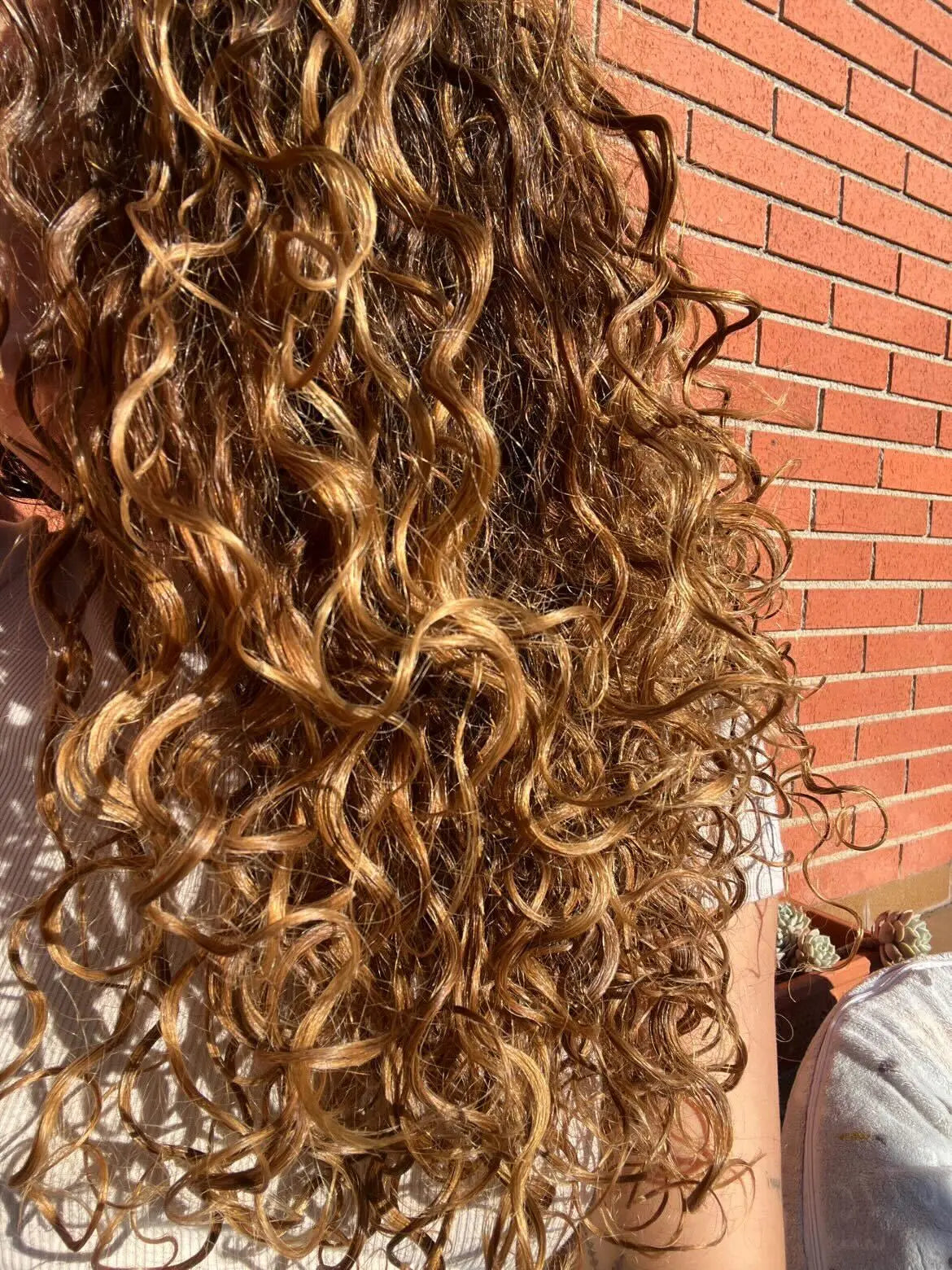
The same henna shade can offer different results depending on whether it is applied to blonde, brown, or dark hair. On lighter hair, the highlights are more evident, while on darker hair, the effect is perceived mainly as shine, depth, or nuance. Additionally, henna has a progressive effect, so with successive applications, the color intensifies and stabilizes.
Black henna and indigo
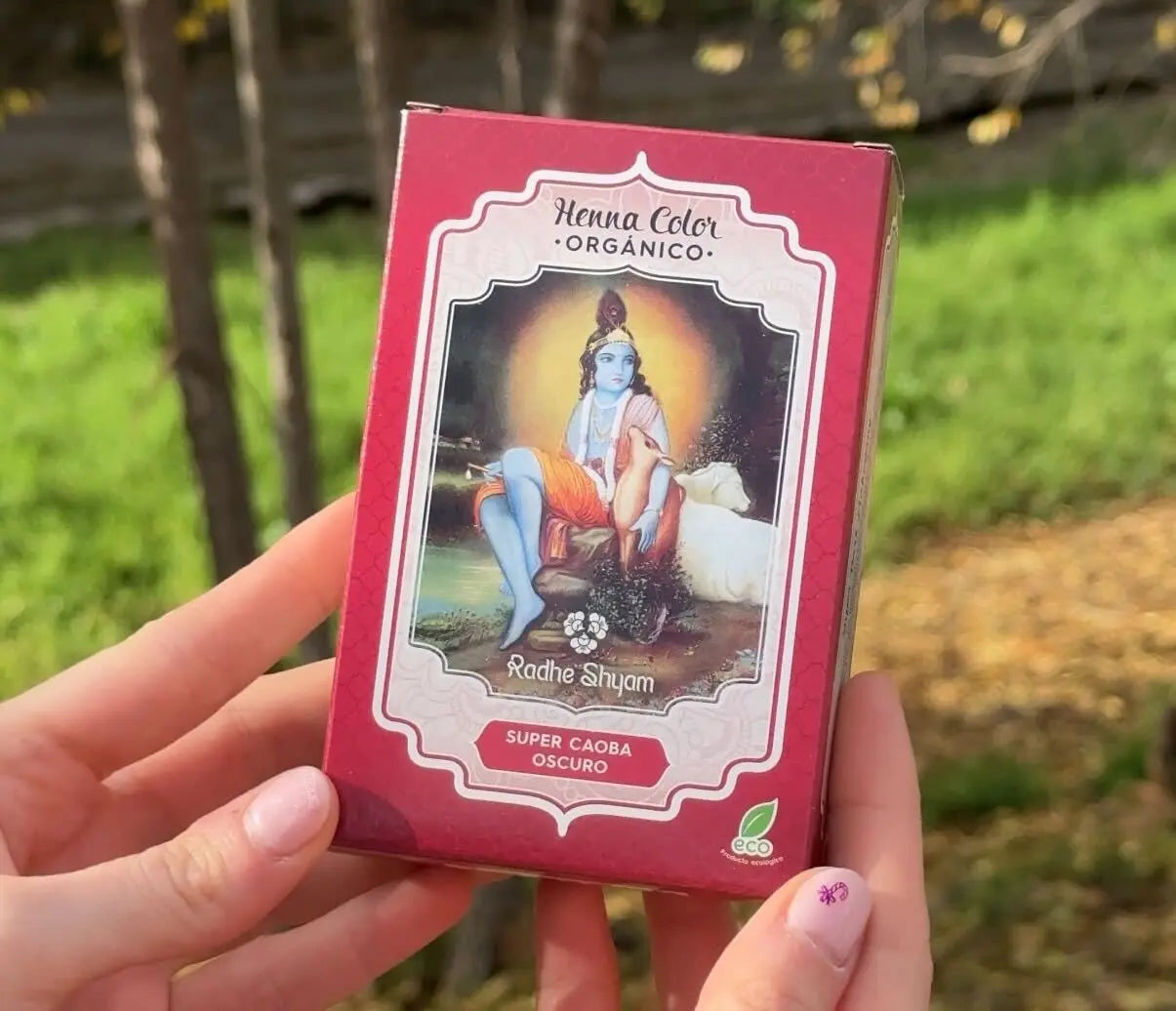
Black hennas and indigo are especially suitable for dark hair or for those looking to naturally cover gray hair. On black or dark brown hair, these shades enhance the base color, providing greater depth and uniformity.
On lighter hair, the application of black henna or indigo produces a visible darkening. In the case of indigo, cooler nuances may appear, making it a good option to neutralize unwanted warm highlights. These shades are recommended for those who desire a defined dark color without resorting to aggressive chemical colorings.
Brown henna: naturalness and balance
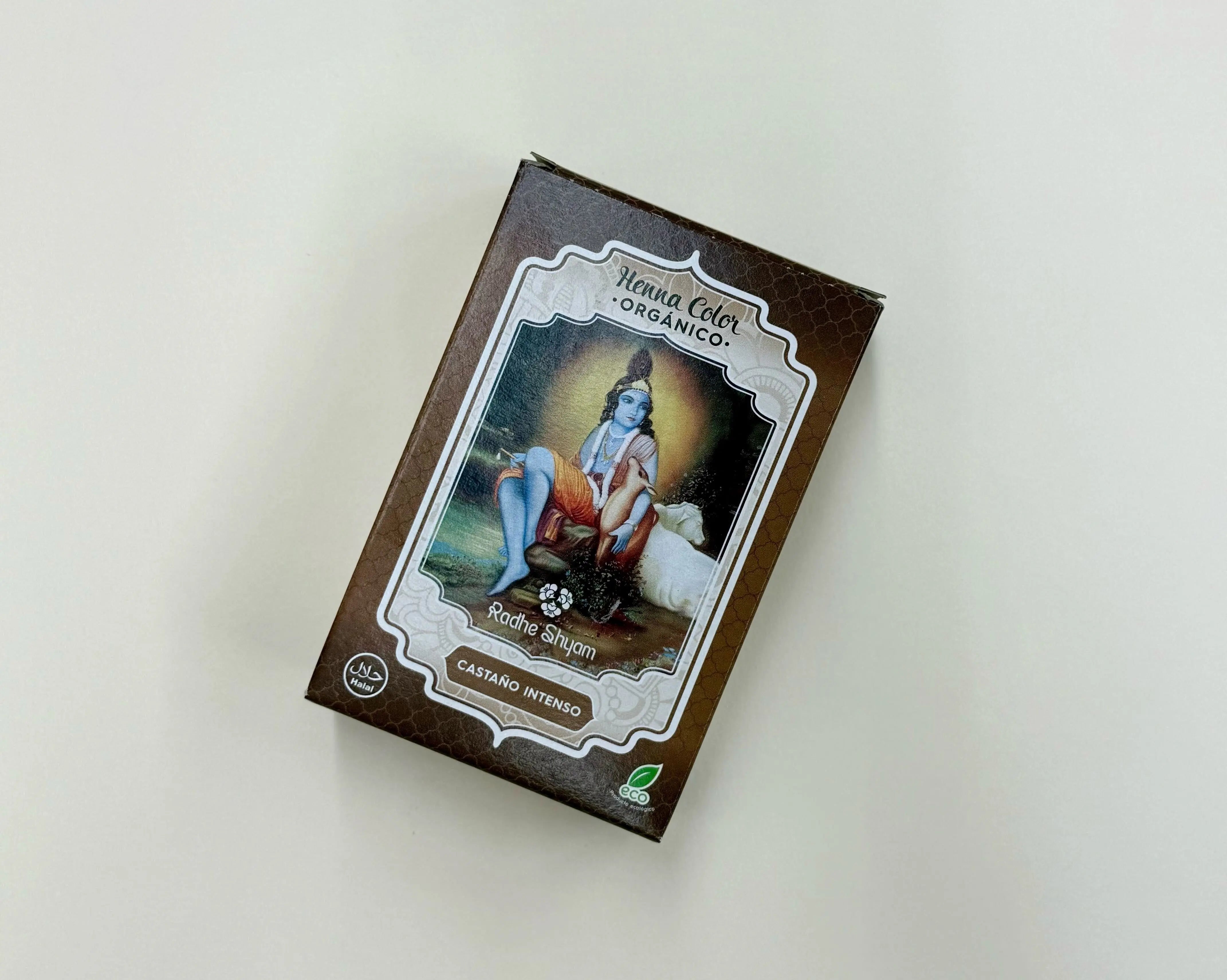
Brown hennas—light, medium, or dark—are the most versatile and widely used. On brown hair, they enhance the natural tone, provide uniformity, and improve the overall appearance of the hair. They are ideal for those who want to boost their color without drastic changes.
On lighter hair, brown hennas darken progressively and naturally, avoiding artificial contrasts. On dark hair, their effect is more discreet and is mainly appreciated in terms of shine and nuance, enriching the base color.
Copper and mahogany shades
Copper and mahogany hennas provide warmth, luminosity, and depth. On brown or reddish hair, they intensify natural highlights and enrich the tone, achieving a vibrant finish full of nuances.
On medium or dark blonde hair, these shades create soft copper or intense golden highlights, especially visible in natural light. On very dark hair, the color change is subtle, although increased shine and vitality are noticeable. These are highly valued shades for those seeking a warm and luminous result without losing naturalness.
Golden blonde henna
Golden blonde henna does not lighten hair, but it does provide luminosity and warm undertones. On blonde hair, it intensifies golden highlights and helps maintain a uniform and shiny tone. On light brown hair, it softens the color and provides a more luminous appearance.
On dark hair, its effect is very slight and is mainly limited to shine. It is a suitable option for those who want to enhance the hair's light without darkening it.
Ash blonde henna
Ash blonde shades are designed to tone and neutralize warm highlights. On blonde hair, they help correct yellowish or orange tones, providing a more natural and balanced finish.
On light brown hair, its effect is more subtle and acts mainly as a tone corrector. On darker bases, the result is discreet, but it contributes to softening the overall tone.
Neutral henna: care without color
Neutral henna does not provide color, but it is an excellent hair treatment. It improves texture, adds shine and volume, and strengthens hair fibers. It can be used alone or combined with other shades to soften the final result or to care for hair between color applications.
It is especially recommended for dull, fragile hair or hair prone to losing vitality.
Recommendations before applying henna
Before applying any henna shade, it is advisable to do a strand test to check the result. Factors such as hair porosity, the amount of gray hair, exposure time, and application frequency directly influence the final finish.

Leave a comment
This site is protected by hCaptcha and the hCaptcha Privacy Policy and Terms of Service apply.